 Johan Trip· Co-founder~2 min read
Lease car and ERE: the revenue is yours, not the leasing company
Who gets the ERE revenue from a lease car that charges at home? Not the leasing company. The ERE accrues to the holder of the energy contract • and that is you.
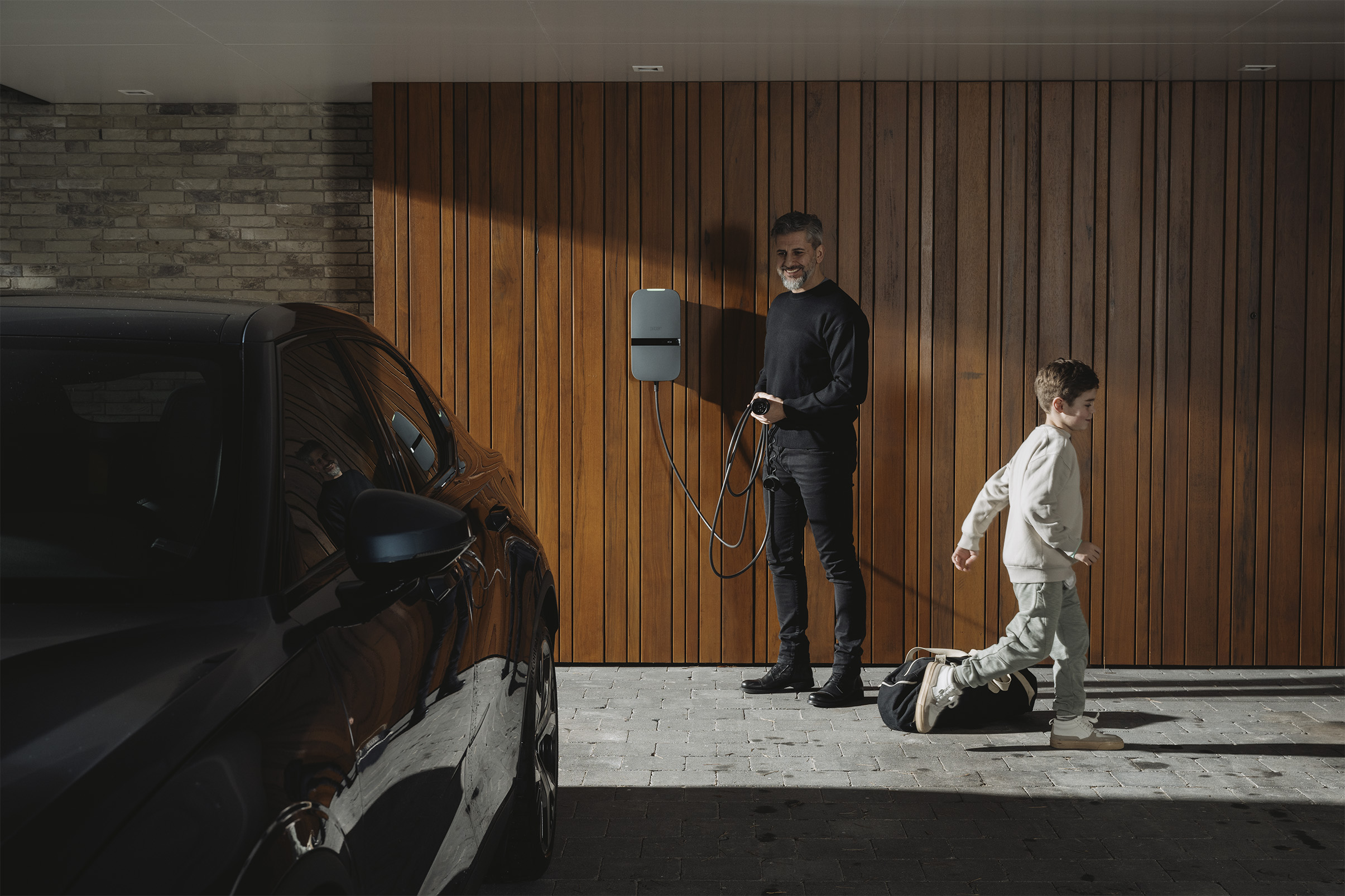
Drive a lease car and charge at home? Then the ERE revenue from your charging sessions is yours. Not the leasing company's, not your employer's. Yours.
That sounds obvious, but in practice it gets muddled. Let us set it straight.
Where the confusion comes from
The leasing company owns the car. Pays for maintenance, sometimes the charger, sometimes even your electricity. So the assumption is quickly made: surely that ERE is theirs too.
That is not how it works. The ERE has nothing to do with ownership of the car.
What the regulation says
Under the Energy for Transport Regulation 2026, the Emission Reduction Unit (ERE) accrues to the holder of the energy contract on the connection where charging takes place • the EAN. If you charge at home, that is your connection, your energy contract, and therefore your ERE.
The car is entirely separate from this. It is your energy contract that determines who gets the revenue, not the number plate and not who pays the lease instalment.
"But my employer reimburses my electricity"
That may be so, and it changes nothing about who the ERE accrues to. Reimbursing your electricity and being entitled to the ERE are two different things. Your employer or leasing company may reimburse your charging costs; the ERE stays tied to your energy contract.
You can make arrangements about it between you • that is your right. But the starting point lies with you, not with them.
It is not switching • there is nothing to take away
This matters. Claiming your ERE is not the same as leaving somewhere. The ERE was never the leasing company's, nor that of the party that supplied your charger. It is new value that the regulation places with the resident from day one.
So you are not taking anything away from your lease contract or your charger supplier. You are collecting what was already yours.
And if my charger belongs to the lease or employer?
Many lease drivers have a charger that their employer or leasing company had installed, sometimes managed via a CPO platform. That changes nothing about who the ERE accrues to. Joulo reads your charging sessions on your authorisation, regardless of who mounted the box • as long as it has a built-in MID meter.
Do you have free choice in your charging solution through your employer? How that interacts with your ERE is on employer free choice.
What you can do now
Do you lease, charge at home on your own energy contract, and does your charger have a built-in MID meter? Then the ERE is yours to claim. Joulo registers your sessions with the NEa and pays out every quarter to your own IBAN.
One thing to watch: registration is binding to one party per connection (EAN). So choose deliberately who does it for you. Want to know whether it works for you? Check your charger or request a quote.
// About the author
Co-founder of Joulo. Previously EV infrastructure at KPN and ServiceHouse. Writes about ERE, energy and regulation.

// About Joulo
Joulo is an ERE booking service provider for residential charging sessions.
34,000,000 MID kWh this year (forecast)
The ERE backend for CPOs and energy companies, under their own brand.
White-labelJoulo B.V. • NEa-registered • in line with RED III
// Get started
Earn money with home charging via ERE credits
Connect your charger, Joulo handles the rest. 20% standard service fee, lower through loyalty and referrals, cancel yearly, paid out quarterly.
Newsletter
Stay in the loop
The occasional email on ERE, chargers and earning from home charging. No spam, unsubscribe anytime.