The cost of charging an electric car in the Netherlands (2026)
At home you charge for around €0.28 per kWh, at a public charger you pay about double, and fast charging costs even more. The figures for 2026, the sum per year, and the cheapest place you may overlook.
 Johan Trip· Co-founder~4 min readUpdated 30 Sept 2026
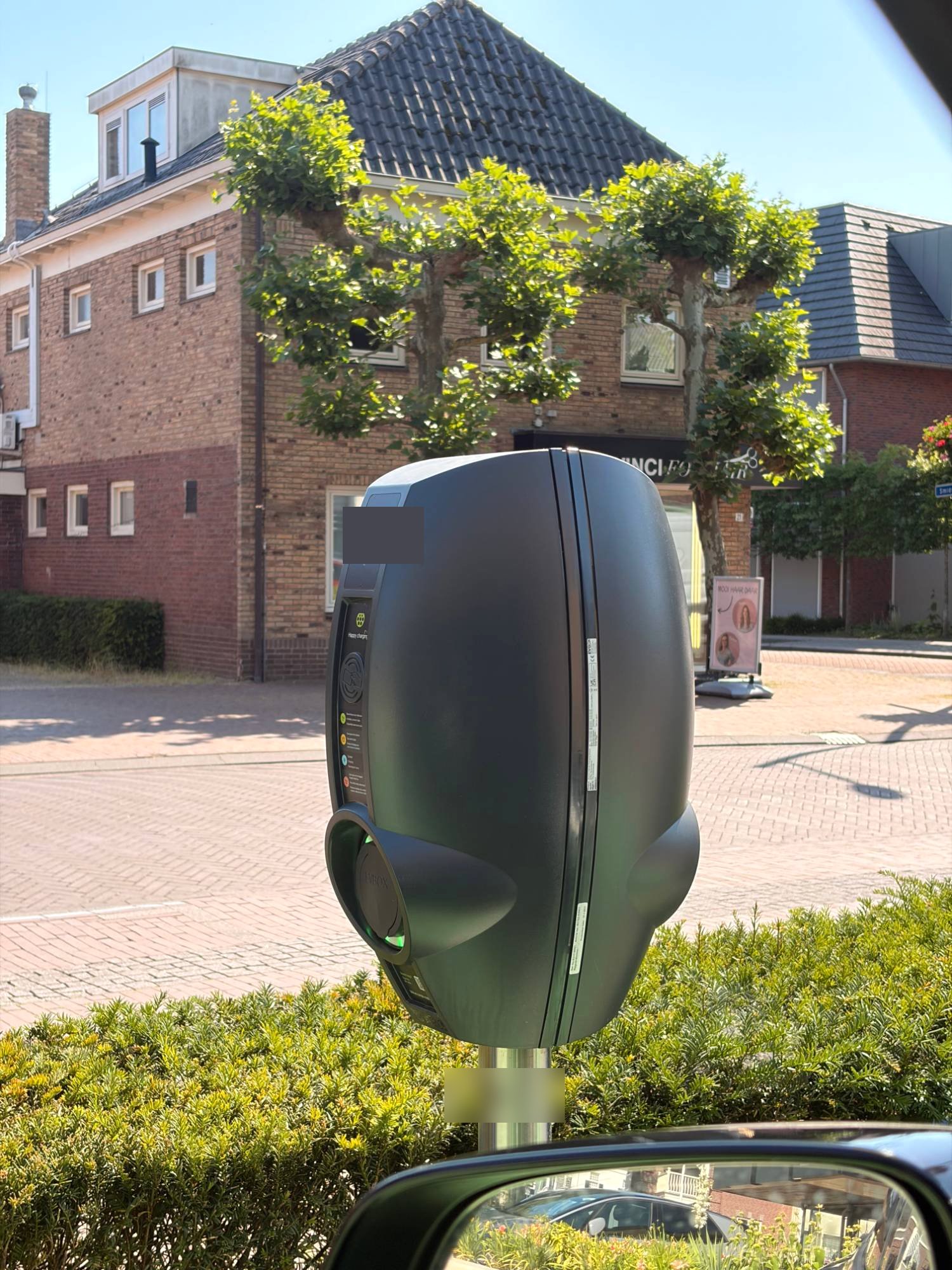
What charging costs depends mostly on where you do it. At home you pay your own electricity rate, around €0.28 per kWh. At a public charger you pay about double. Fast charging costs even more. Below are the figures for 2026, and what the difference adds up to over a full year.
| Where you charge | Rate per kWh (2026) | What you pay |
|---|---|---|
| At home (variable contract) | ~€0.28 | the lowest |
| Public charger (regular) | ~€0.49 | about double |
| Fast charging (DC, motorway) | €0.65 to €0.90 | the highest |
The amounts are indicative prices and move with the energy market. The ratio stays the same: the further from your own socket you charge, the more you pay.
At home: around €0.28 per kWh
At home you charge at your own electricity rate, with no mark-up from a charge point operator. With a variable contract you pay around €0.25 to €0.30 per kWh in 2026, including energy tax and VAT. Milieu Centraal calculates with an average of €0.24 for the coming years, the ANWB with €0.30.
An average EV uses about 17 kWh per 100 kilometres. So charging at home costs you about €0.05 per kilometre. Off-peak hours or a dynamic energy contract bring that down further. Solar panels bring it down even more.
Tip
Charge at home with a MID meter, and every kWh also earns an Emission Reduction Unit (ERE). Joulo customers get an average of 12.6 cents net per kWh, and 12 cents at the standard 20% service fee. On balance, charging at home can then earn you money instead of costing you money.
Public: about double
At a regular public charger you pay around €0.49 per kWh on average. That varies by municipality, from about €0.33 to €0.70. Besides the electricity, that rate covers the operator's margin, the charger and its maintenance, and often your charging card. That comes to around €0.08 per kilometre, almost double the cost at home. If you have no charger of your own, this is usually your only option.
Fast charging: the most expensive
Fast charging along the motorway costs €0.65 to €0.90 per kWh, at many locations €0.75 or more. You pay for the speed. That makes sense on a long trip, but as a daily habit it is expensive. A charging subscription can lower the rate.
What that adds up to per year
Our customers charge an average of 4,100 kWh a year at home. Where those kWh come from makes a difference of hundreds of euros:
| How you charge | Rate | Per year (4,100 kWh) |
|---|---|---|
| All at home | €0.28 / kWh | ~€1,150 |
| All public | €0.49 / kWh | ~€2,010 |
| All fast charging | €0.79 / kWh | ~€3,240 |
Nobody charges in such black-and-white terms. In practice it is a mix. But the direction is clear: charging at home instead of in public saves more than €800 a year. And charging at home with a MID meter earns EREs on top of that.
The cheapest place may be your own street
Not everyone can charge at home. No driveway, no charger of your own, and you are stuck with the public charger at double the price. Yet there may be a charger a few houses down.
Thousands of private chargers stand idle most of the day. With Joulo Share, the owner lets friends, family or neighbours charge at their charger. As a guest you pay nothing: no money passes between owner and guest. No charging card, no extra app: Joulo starts and stops the session through the existing connection.
The owner pays for the electricity. It runs through the owner's connection and MID meter, so the owner gets the ERE on what guests charge. That covers most of the electricity cost. A typical guest session of about 12 kWh costs the owner around a euro.
The full calculation is on Joulo Share.
Sources
- Milieu Centraal • Charging an electric car (in Dutch)
- ANWB • What electric charging costs (in Dutch)
- Energievergelijk • Current electricity price per kWh (in Dutch)
Have a charger of your own? Read how Joulo Share works or check your charger.
Frequently asked questions
What does it cost to charge an electric car at home?
With a variable contract you pay around €0.25 to €0.30 per kWh in 2026. An average EV uses about 17 kWh per 100 kilometres, so charging at home costs about €0.05 per kilometre. A full charge of 65 kWh comes to about €18.
Why is public charging so much more expensive than charging at home?
Besides the electricity, the rate at a public charger also covers the operator's margin, the charger and its maintenance, and often your charging card. That is why you pay around €0.49 per kWh on average, about double the cost at home. It varies by municipality from €0.33 to €0.70.
What does a full charge cost?
For a battery of about 65 kWh: around €18 at home, around €32 at a public charger, and €50 or more for fast charging. It depends on your rate and how empty your battery was.
What does fast charging along the motorway cost?
Expect €0.65 to €0.90 per kWh, often €0.75 or more along the motorway. It is useful on the road, but as your daily way of charging it is the most expensive. A charging subscription can lower the rate.
Can I charge for less than at a public charger?
Charging at home is always the cheapest. No charger of your own? With Joulo Share, someone you know can let you charge at their charger. As a guest you pay nothing. See Joulo Share.
About the author
Co-founder of Joulo. Previously EV infrastructure at KPN and ServiceHouse. Writes about ERE, energy and regulation.

About Joulo
Joulo is an ERE booking service provider for residential charging sessions.
34,000,000 MID kWh this year (forecast)
The ERE backend for CPOs and energy companies, under their own brand.
White-labelJoulo B.V. • NEa-registered • in line with RED III
Newsletter
Stay in the loop
The occasional email on ERE, chargers and earning from home charging. No spam, unsubscribe anytime.
Earn on every kWh you charge at home
Connect your charger once. We register your sessions and pay out every quarter. 20% service fee, cancel yearly.