 Johan Trip· Co-founder~3 min readUpdated 12 Aug 2026
ERE certificates: the home-charging payout in 2026, explained
Since 1 January 2026, every kWh you charge at home can be worth money through ERE certificates. What they are, what you need, and what you earn.
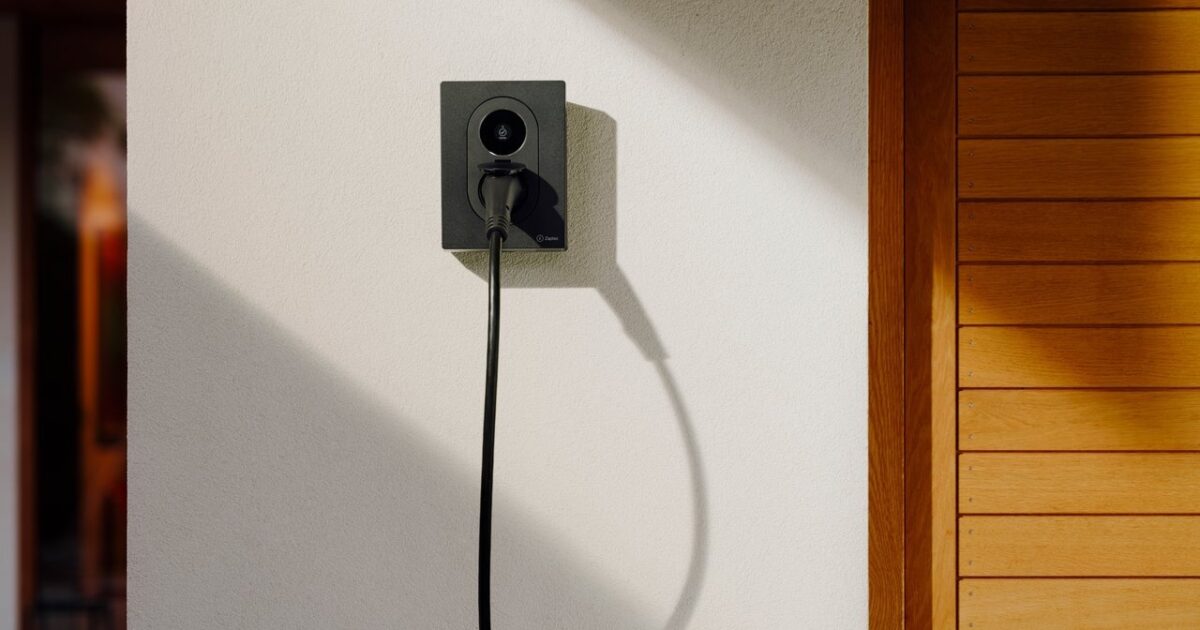
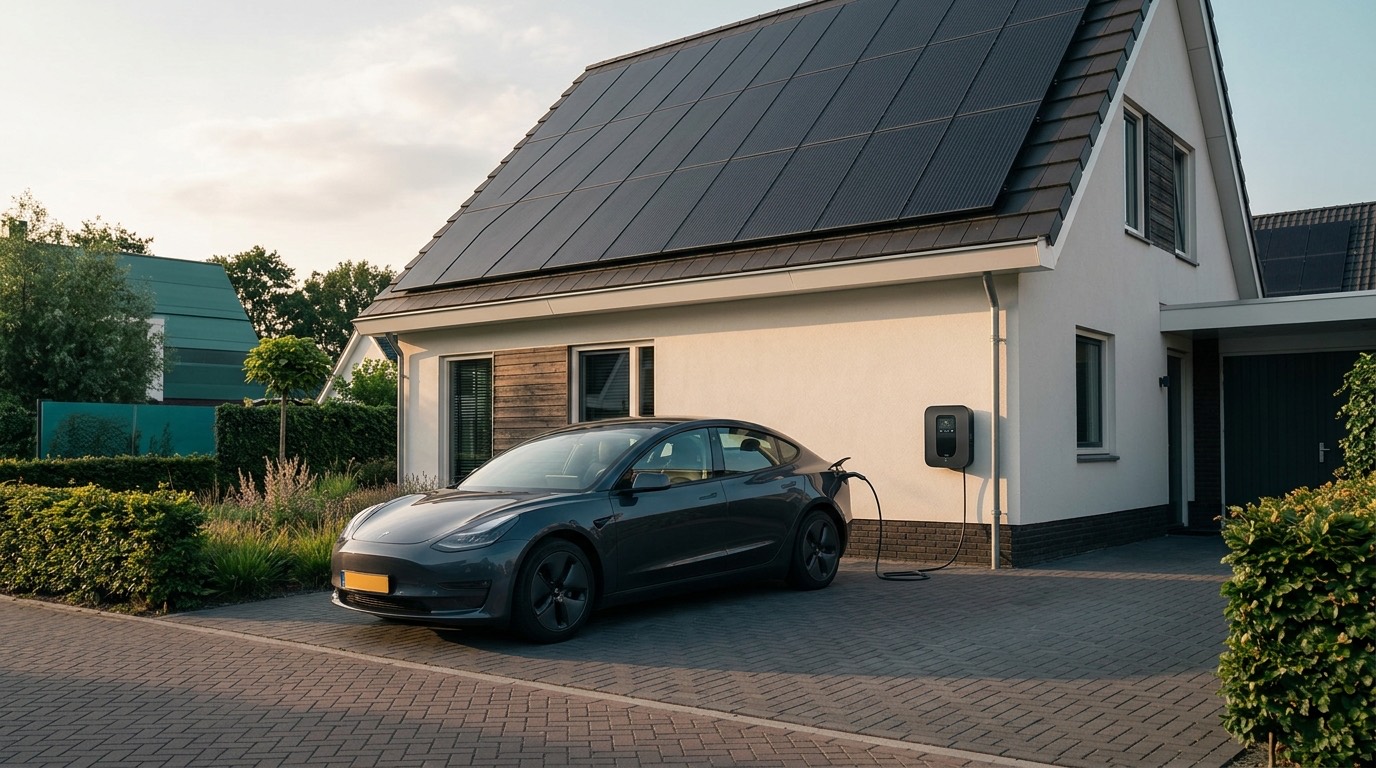
Since 1 January 2026, every kilowatt-hour you charge into your electric car at home can be worth money. That is thanks to ERE certificates. Here is what they are, why they exist, and what you can earn.
What is an ERE certificate?
ERE stands for Emission Reduction Unit (Emissiereductie-eenheid). One ERE represents 1 kilogram of avoided CO2. You earn them by charging your car with (partly) renewable electricity instead of driving on fossil fuel.
The background is the European RED III directive, implemented in the Netherlands as the Fuel Transition Obligation. Fuel suppliers must raise their share of renewable energy in transport every year. If they cannot do that themselves, they buy units from parties that do go greener. Home chargers are one such party. You produce the unit, a supplier buys it, and you get the revenue.
Why does home charging earn money?
Because your charging counts as making transport greener. Every kWh of clean electricity in your battery displaces a bit of petrol or diesel. That avoided emission is worth money in a market where suppliers are obliged to green up. Not a subsidy, but a market payment.
What does it earn?
On average around €0.13 per kWh net, after service fees. It is an indicative price and market-dependent: the price of an ERE moves with supply and demand. For a household, the NEa uses the grid-average renewable share (50.5% in 2026), not 100% • not even if you have solar panels. What you keep depends on how much you charge at home and your service fee. There is a worked example in what home charging earns, and you can run your own numbers with the calculator on what ERE certificates are.
What do you need?
Three things:
- A charger with a built-in, certified MID meter. That is the hard requirement. For home charging, only the certified meter in the supply point itself counts • an external MID sub-meter has never been a valid route for private home charging. No suitable charger yet? Then an upgrade to a charger with a built-in MID meter is the route, having a MID meter installed inside the charger housing (with an installation invoice as proof), or a Secondary Allocation Point with your grid operator. Your sessions count from the moment the MID meter is in place. What you charged before that does not count later.
- An energy contract on your own connection (EAN). The revenue accrues to the holder of that contract. For home charging, that is you.
- An authorisation to one registration provider per connection. That provider registers your sessions. The authorisation is binding to one party per EAN, so choose deliberately.
How do you get your payout?
Through a registration provider. They retrieve your charging sessions (on your authorisation), calculate the ERE's, register them with the NEa and pay you the revenue. How that works step by step is in ERE registration: how it works.
Private or business
For households, the grid average always applies (50.5% in 2026). For business locations, 100% renewable can apply under conditions, for example with your own generation and the right certification. For most home chargers, the grid average is the basis.
Retroactive registration
You do not need to have signed up from day one. Charging sessions from 1 January 2026 may be registered retroactively. If you sign up later, your first payout can include the months you built up.
More about ERE certificates
What ERE certificates are, what you get per kWh and how you earn them with your charger, on one page: ERE certificates: what they are and what you get per kWh.
Frequently asked questions
How much is one ERE worth? An ERE is 1 kg of avoided CO2. Converted to your charging sessions, that comes to an indicative price of around €0.13 per kWh net on average, market-dependent.
Do I really need a MID meter? Yes. Without a built-in, certified MID meter, a session cannot be registered.
Do my solar panels count towards 100%? For a household, no. The NEa uses the grid-average renewable share, regardless of your own generation.
Sources
- NEa • Emission Reduction Units (ERE)
- NEa • Registering electricity
- RVO • Renewable energy for transport
Suitable charger? Check your charger or request a quote.
// About the author
Co-founder of Joulo. Previously EV infrastructure at KPN and ServiceHouse. Writes about ERE, energy and regulation.

// About Joulo
Joulo is an ERE booking service provider for residential charging sessions.
34,000,000 MID kWh this year (forecast)
The ERE backend for CPOs and energy companies, under their own brand.
White-labelJoulo B.V. • NEa-registered • in line with RED III
// Get started
Earn money with home charging via ERE credits
Connect your charger, Joulo handles the rest. 20% standard service fee, lower through loyalty and referrals, cancel yearly, paid out quarterly.
Newsletter
Stay in the loop
The occasional email on ERE, chargers and earning from home charging. No spam, unsubscribe anytime.