 Johan Trip· Co-founder~2 min readUpdated 12 Aug 2026
ERE registration: how it works, step by step
You drive electric and charge at home. Here is how ERE registration works step by step: from a suitable charger to the payout in your account.
You drive electric, you charge at home, and you want the ERE payout you are entitled to. This is how registration works, from your charger to the payout in your account.
Step 1 • Check whether your charger is suitable
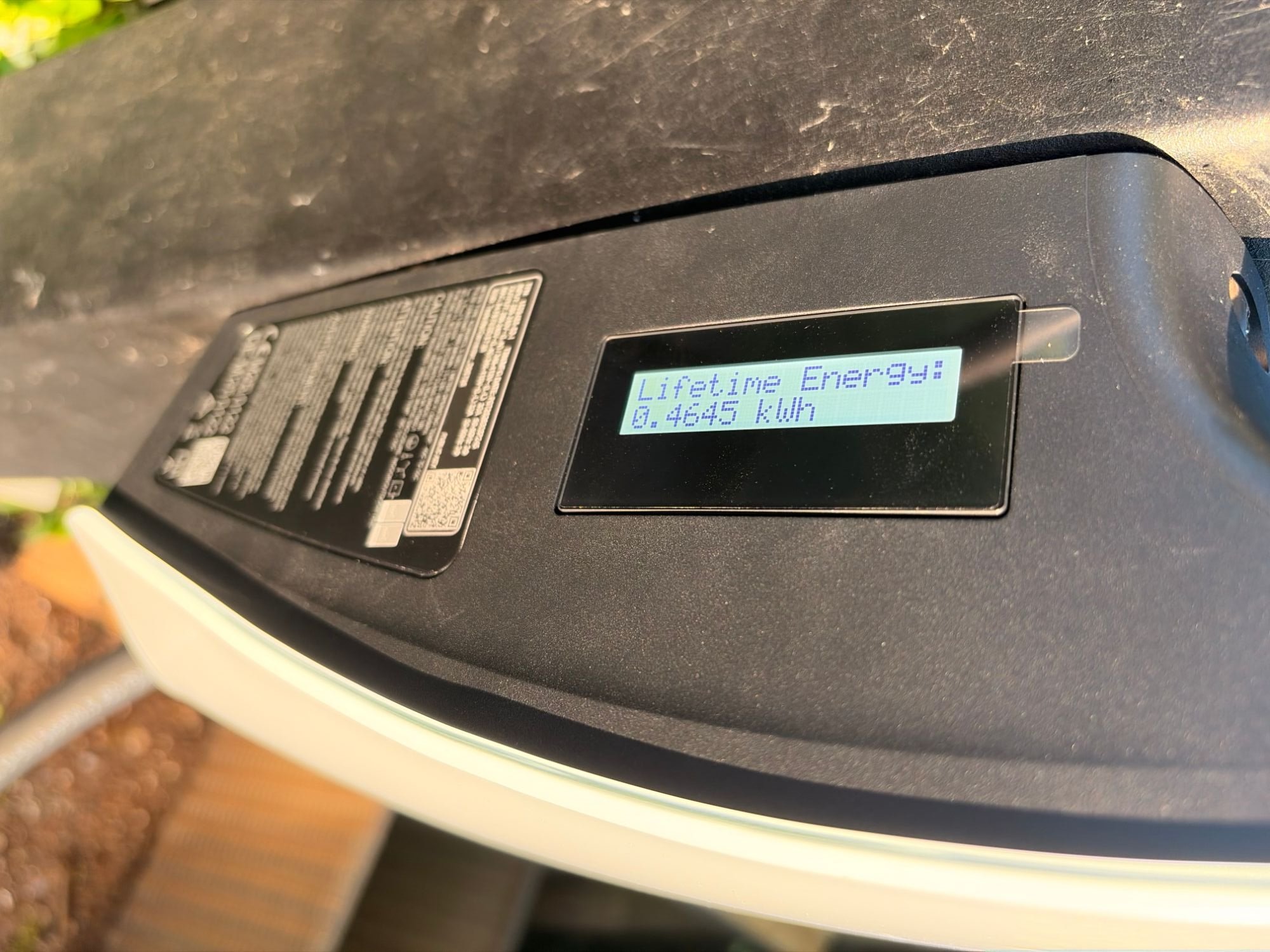
You need a charger with a built-in, certified MID meter. That meter provides the proof that the registered kilowatt-hours are accurate. For home charging, only that built-in MID meter counts • an external sub-meter has never been a valid route for private home charging.
Not sure whether yours has one? Check your charger by brand and model.
Step 2 • Choose a registration provider
The registration provider registers your sessions with the NEa and pays you out. The authorisation is binding to one party per connection (EAN), so this is a choice to make deliberately. Watch the service fee, how often they pay out, and whether you can cancel annually. A side-by-side comparison is on compare ERE registration providers.
Step 3 • Authorisation and connection
You give an explicit authorisation to retrieve your charging sessions on your behalf. You connect your charger or platform account once; after that your registration provider retrieves the full charging-session data automatically from the backend. A photo or manual export is not a valid measurement source for registration. It is read access • nothing on your hardware is changed.
Step 4 • Registration with the NEa
Your registration provider books your certified kilowatt-hours with the Netherlands Emissions Authority and converts them into ERE's. An independent verifier checks the registrations. You do not have to do anything for this.
Step 5 • Payout
The revenue arrives in your own IBAN. With Joulo that happens every quarter. Count on an indicative price of around €0.13 per kWh net, market-dependent • what you keep exactly, you work out with the calculator.
Retroactive registration
Your sessions from 1 January 2026 may be registered retroactively. If you sign up later, the first payout can include the months you built up.
No MID meter? These are your options
- Upgrade to a charger with a built-in MID meter. The cleanest route, and immediately suitable.
- Have a MID meter installed inside the charger housing. With an installation invoice as proof of placement.
- Apply for a Secondary Allocation Point (SAP) with your grid operator. A separate metered connection for your charge point (installation plus monthly costs).
Your sessions count from the moment the MID meter is in place. What you charged before that does not count later.
For private home charging, only the metered supply point itself counts.
More about ERE registration
The steps, costs and proceeds of ERE registration for your charger, on one page: ERE registration: steps, costs and proceeds.
Frequently asked questions
Can I register with multiple providers at once? No. The authorisation is binding to one party per connection.
What if I switch providers? You can, provided you can cancel your current contract. What has already been registered for you stays yours.
Do I have to do anything with the NEa myself? No, your registration provider handles the registration.
Sources
Ready to start? Check your charger or request a quote.
// About the author
Co-founder of Joulo. Previously EV infrastructure at KPN and ServiceHouse. Writes about ERE, energy and regulation.

// About Joulo
Joulo is an ERE booking service provider for residential charging sessions.
34,000,000 MID kWh this year (forecast)
The ERE backend for CPOs and energy companies, under their own brand.
White-labelJoulo B.V. • NEa-registered • in line with RED III
// Get started
Earn money with home charging via ERE credits
Connect your charger, Joulo handles the rest. 20% standard service fee, lower through loyalty and referrals, cancel yearly, paid out quarterly.
Newsletter
Stay in the loop
The occasional email on ERE, chargers and earning from home charging. No spam, unsubscribe anytime.